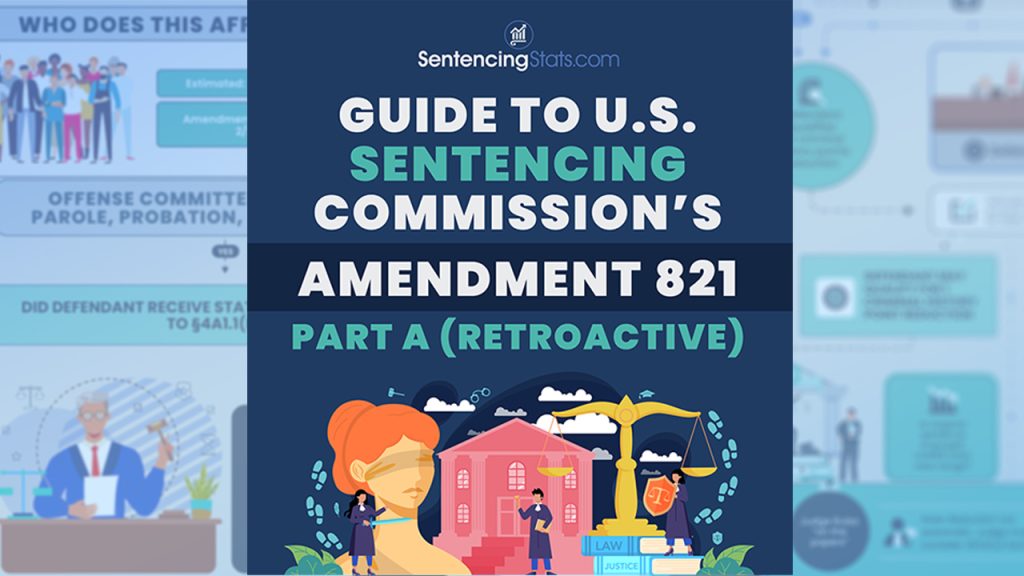
Sentencing Stats official Infographic Guide to U.S. Sentencing Commission’s Amendment 821, §4A1.1 Part A (retroactive), otherwise known as Criminal History Status Points reduction.
Tag: federal sentencing
Retroactive Application of Amendment 821 ZPO and Status Point Amendments
The Zero Point Offender and Status Point modifications to the Sentencing Guidelines go into effect on November 1. They are RETROACTIVE. But not everyone knows whether they may benefit from the changes or how to go about getting that benefit. Therefore, helping us get Set for Sentencing, Mark Allenbaugh, and Keith Hilzendeger to tell us
SentencingStats founder Mark Allenbaugh talks Amendment 821 / Zero Point Offender with Forbes Magazine
Forbes: What The US Sentencing Commission’s Decision Means For First Time Offenders
SentencingStats.com announces program to Assist with Retroactive Application of Amendment 821
SentencingStats.com to assist with retroactive application of Amendment 821, offering analytics, services and tools for resentencing eligible federal inmates.
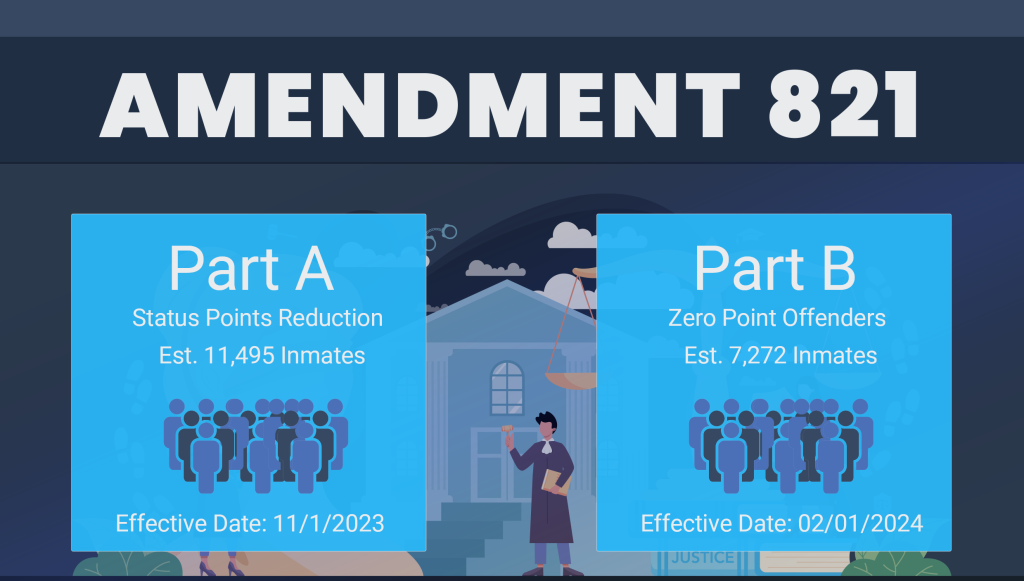
Introduction to USSC Amendment 821 Part A & B: Zero Point Offender / Status Points Reductions
Policy Priorities: The Commission discussed and voted on the final policy priorities for the period of 2023-2024. These priorities would guide the Commission’s work in establishing sentencing policies and practices for federal courts. Retroactivity of Parts A and B of the 2023 Criminal History Amendment: A significant decision involved voting on the retroactivity of Parts
Pre-Trial Detention Through the Lens of Sam Bankman-Fried (and DJT)
When a judge decides to imprison a client before their trial, even though they haven’t been convicted and are presumed innocent, it effectively bypasses the usual legal process. It’s like skipping the initial steps and going straight to sentencing, without any chance to collect resources or build a defense. The practice of pre-trial detention should
SENTENCING COMMISSION VOTES TO MAKE IMPORTANT AMENDMENTS RETROACTIVE TO REDUCE THE SENTENCES OF THOUSANDS
On August 24, 2023, a divided Commission voted 4-3 to make two new amendments to the Guidelines retroactive. Assuming no Congressional action to the contrary, these amendments go into effect on November 1, 2023. The first amendment limits the overall criminal history impact of “status points” (i.e., the additional criminal history points given to defendants for
Acquitted Conduct Debate
Tune in to the latest compelling webisode of Set for Sentencing where our co-founder Mark Allenbaugh debates constitutional law professor, Doug Berman on the future of Acquitted Conduct in Federal Sentencing. IN THIS EPISODE: Whether a client should have right to demand that a JURY make the determination as to whether certain sentence enhancements apply;
Federal Sentencing Commission JSIN “Judicial Sentencing Information” system and why it’s lacking
The US Sentencing Commission created “JSIN” (sounds like “Jason”) as a resource for Judges who want to understand how defendants are really being sentenced under the guidelines. And, currently thirty-one federal jurisdictions are now incorporating JSIN data into the pre-sentence report. But, are the stats accurate? Could these numbers help or harm defendants? IN THIS
Mark Allenbaugh’s guest appearance on Drugs on the Docket Podcast
Listen to our president and co-founder, Mark Allenbaugh talks sentencing on The Ohio State University Lawschool’s podocast, Drugs on the Docket: #federalsentencing #sentencingstatistics #sentencinganalysis