Will the U.S. Sentencing Commission remove “Departures” from the Sentencing Guidelines and direct court to only consider Variances under 18 U.S.C. 3553(a)?
Will the U.S. Sentencing Commission remove “Departures” from the Sentencing Guidelines?



Will the U.S. Sentencing Commission remove “Departures” from the Sentencing Guidelines and direct court to only consider Variances under 18 U.S.C. 3553(a)?
SentencingStats.com, a leader in federal sentencing and prison analytics, today announced its acceptance into NVIDIA Inception, an exclusive accelerator supporting startups at the forefront of artificial intelligence, data science, and high-performance computing. This partnership underscores SentencingStats’ commitment to transforming federal sentencing into a more equitable and transparent process through advanced machine learning capabilities.
Biden’s Final Days: Examining the Pardon Power
As President Biden’s term wraps up in January 2025, his active use of executive pardons and commutations has drawn significant attention. In just the last month, Biden has issued numerous pardons, highlighting both the potential and the flaws of the U.S. pardon system. While some applaud his efforts to address injustices, critics point out that the system remains broken, leaving many deserving inmates without relief.
SentencingStats.com recently completed a comprehensive analysis of the sentencing outcomes for defendants involved in the January 6th incident at the U.S. Capitol. This study examines 934 defendants who were convicted and sentenced through August 12, 2024. The findings shed light on significant sentencing disparities arising from the exercise of judicial and prosecutorial discretion, highlighting critical gaps in the current legal framework.
On November 1, 2024, several amendments to the United States Sentencing Guidelines took effect. Some of these changes are significant, offering advantages to the defense, while others are less beneficial.
However, ultimately, this process amounts to nothing more than “Kabuki Theatre,” meaning the tortured guideline applications become merely performative, because 18 U.S.C. § 3553, enables discerning judges to overlook the sentencing recommendations provided by the guidelines.
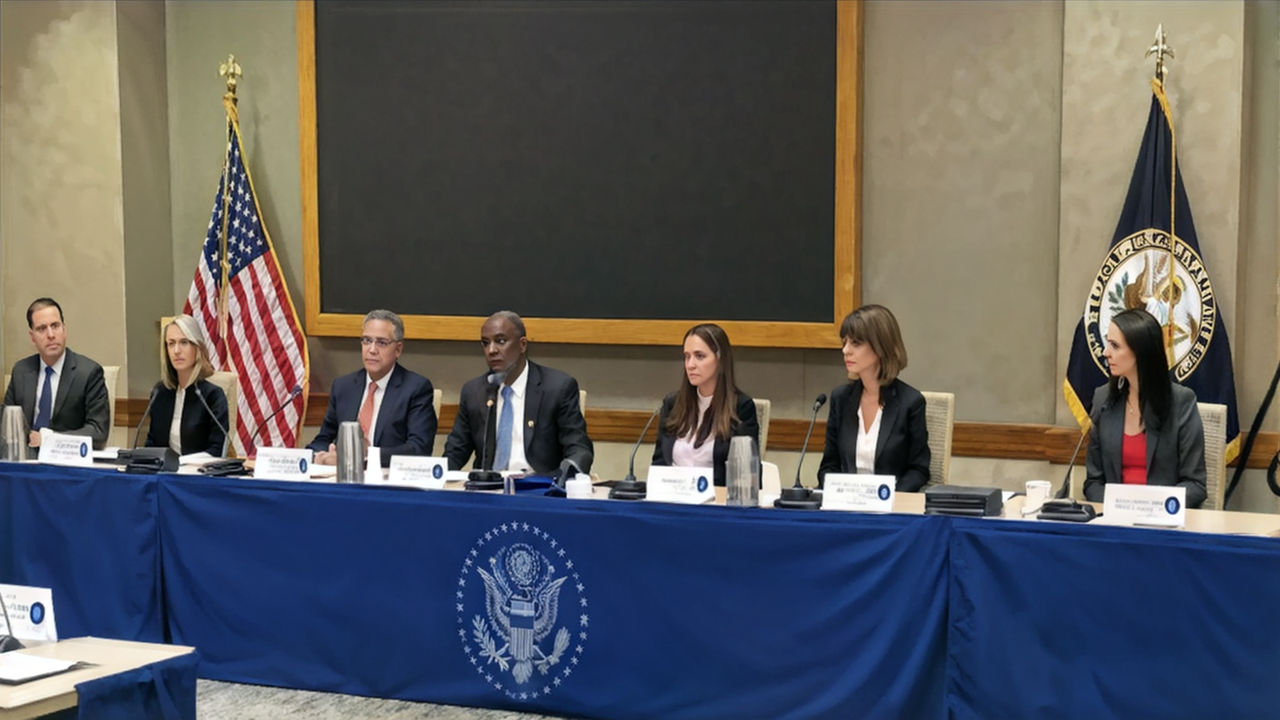
Bloomberg Law asked our President and Chief Research Officer, Mark Allenbaugh, to weigh in on a significant legal challenge to the U.S. Sentencing Commission’s policy on compassionate release. This policy allows courts to consider nonretroactive changes in law when evaluating requests for sentence reductions, a critical tool for addressing outdated sentences. However, the U.S. Department of Justice (DOJ) argues that this policy exceeds the Commission’s statutory authority, claiming it effectively makes nonretroactive laws retroactive.
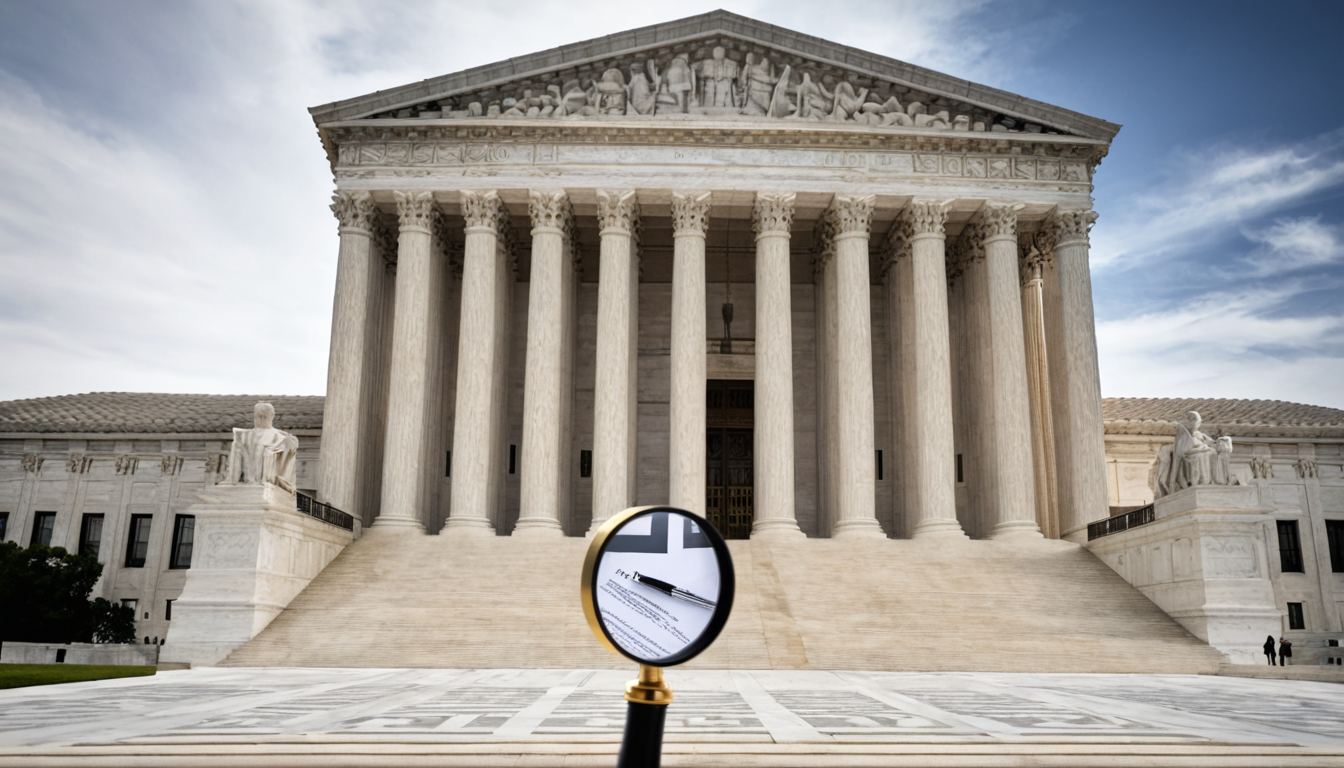
Will Thompson v. United States Redefine Fraud Laws?
The Supreme Court’s Thompson v. United States could redefine federal fraud law, specifically limiting charges to explicit falsehoods. Currently, misleading statements—even half-truths—are often treated as fraud, but Thompson challenges this interpretation, highlighting a split between circuits. If the Court narrows the definition, fraud prosecutions may only target direct lies, impacting both charges and plea deals.

Is Thompson v. United States the Game Changer in Federal Fraud Cases?

On the morning of Monday, October 21, 2024, the U.S. Supreme Court agreed to review a case that has sharply divided federal courts across the country: what standards judges are to consider when deciding whether to revoke supervised release.
SentencingStats.com, a leading provider of federal sentencing analytics and artificial intelligence solutions for sentencing analysis, is proud to announce it has been selected for a Level 4 founder grant from Microsoft for Startups Founders Hub, a global program that helps early-stage companies scale their businesses.